- Work with a veterinarian to get your vaccine protocol in place.
- Since the immune response is decreased during times of stress, it is recommended to give vaccines around 2-3 weeks prior to weaning so the calf is immunologically prepared for the stress of the weaning process.
- Don’t combine other procedures with weaning.
- This goes along with the first tip; ideally we don’t want to stack all of our management practices on at the time of weaning. While this may be easier logistically, it makes it more stressful for the calf and therefore decreases their ability to perform. Practices like dehorning and weaning should be done in the first 90 days after birth if possible.
- Monitor for signs of illness.
- Within the first two weeks of weaning, ensure the calves are eating, drinking, and have normal activity/energy levels. Other signs to look for are: eye brightness, ear position, nasal discharge, breathing quality/speed, coughing, and manure inconsistencies/blood-tinged. If you find these signs, reach out to your veterinarian.
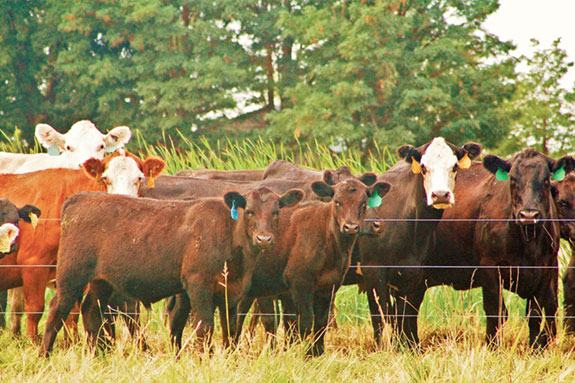
Method of weaning can also be important. One method that is considered to be less stressful is fence-line weaning. This allows cows and calves to be placed on opposite sides of a strong fence (woven wire or multiple-strand, high-tensile wire). Cows are moved to the new pasture so calves can remain in a familiar environment. This method allows for some nose-to-nose contact while spending the majority of time grazing away from the fence. These visits gradually decrease over the first few days and the weaning process is typically complete within a week. Studies have shown these calves showed less signs of stress, like bawling, and gained more weight during the weaning process than with total separation weaning. Either method can be successful but whatever method you choose, it is important to consider managing nutrition, health, and stress of the calf.