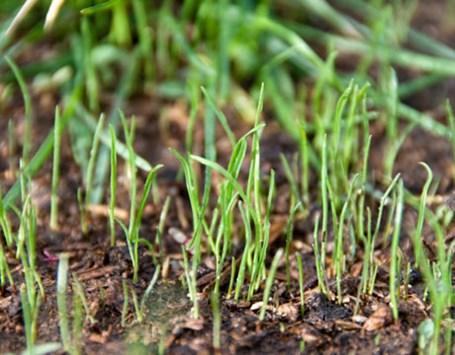
Having bare spaces, weed pressure, or wanting to increase diversity/desirable forages could all be reasons to consider renovating a pasture. To evaluate what species are in the pasture currently, a pasture walk can be done using the point-step method. This includes randomly walking a certain number of paces, and recording the plant species in front of your shoe. Typically 100 points in a pasture will give a good representation of the variety of species. Instructions and an example can be found using the link here. Once you have that done, you can decide what changes need to be made if any. In some cases it may be worth considering overseeding. Prior to this, soil samples should be taken to determine if the soil fertility and pH is adequate for planting. With the proper amendments, planting can be done. This is typically best to do in the fall for overseeding fescue or orchard grass. Preparing the pasture is important for planting too. Mowing or grazing the existing stand close can help to ensure adequate soil contact for the seeds being planted. Working to decrease competition from weeds is helpful too. After planting, it is critical to give the forage time to rest so they can get established, ideally 6 to 8 months of rest before heaving grazing resumes. A few light grazing's may be tolerated during this time, being sure not to overgraze the stand. Another option is to take a spring cutting of hay before turning animals back into the pasture in the fall. The NC forage planting guide is a good resource for when and how much to plant depending on the species. Whatever the case, it is important to recognize and make adjustments to any management practices that may have led to the need to renovate to ensure all of the time, money, and effort being put into the renovation can be maintained. Adhering to grazing heights is one important management practice. The proper grazing heights depending on each species can be found here. By maintaining enough forage growth above ground, we can help to protect the root system allowing for more resilient forages, and the added benefit of providing competition for weeds. Evaluating your pastures can be a valuable tool in itself to help you decide what the best decision for your operation is.
Evaluating & Renovating Pastures
(Updated: Sept. 10, 2025, 12:30 p.m.)
Written By