Good Night, Sleep Tight
(Updated: July 14, 2021, 12:17 p.m.)
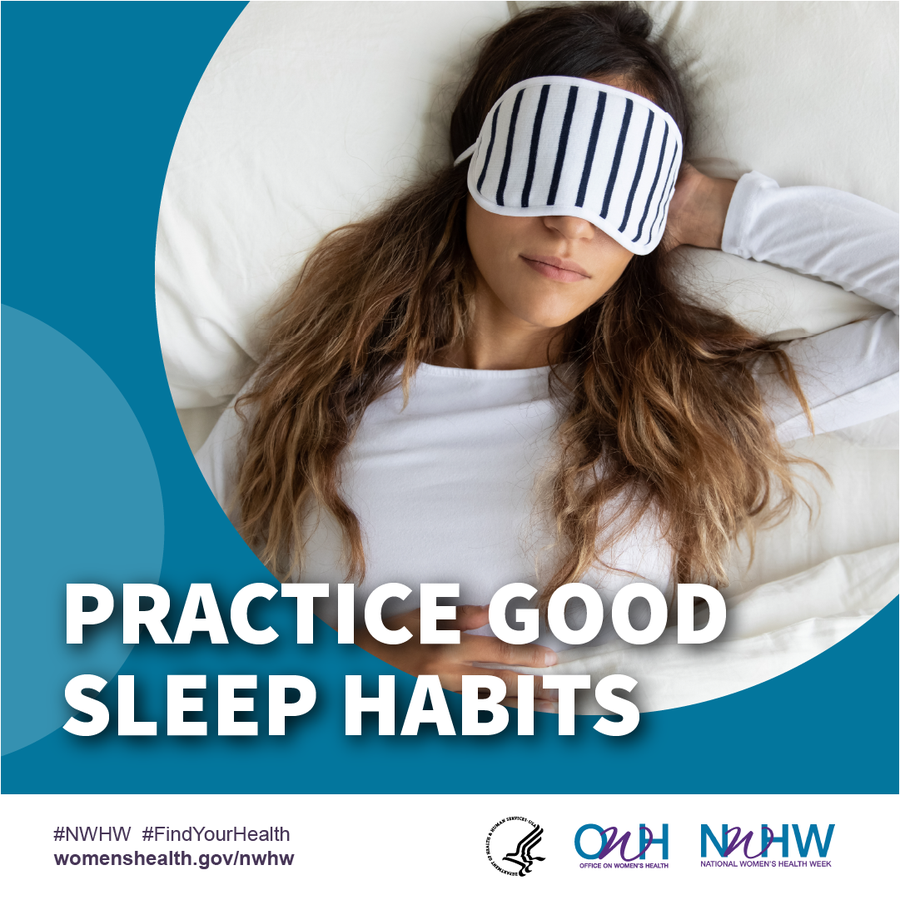
There is nothing more frustrating than crawling into bed in anticipation of a good night's sleep, and just laying there. Mind racing full of thoughts, tossing, turning, turning and tossing until you decide you might as well just get up. Sound familiar? If so, you are not alone.
Sleep affects our mental and physical health. Getting good sleep helps our mind and can improve our mood. Sleep is just as important as eating right and exercise in helping to prevent health problems.
Need some ideas to get your recommended 7 to 9 hours of sleep each night? Try these tips from the U.S. Department of Health & Human Services to help improve your sleep:- Try to go to sleep when you feel sleepy and then get up at the same time each morning.
- Do not take naps after 3 p.m. if you normally sleep at night.
- Do not drink caffeinated or alcoholic drinks or smoke late in the day or at night.
- Exercise on most days. Exercise or physical activity done too close to bedtime can make it harder to fall asleep. Experts recommend exercising at least 5 or 6 hours before your bedtime, especially if you have insomnia.
- Do not eat or drink a lot within about 3 hours of bedtime.
- Keep your bedroom dark, quiet, and cool. If light is a problem, try a sleeping mask. If noise is a problem, try earplugs, a fan, or a "white noise" machine to cover up the sounds.
- Follow a routine to help relax and wind down before sleep, such as reading a book, listening to music, or taking a bath.
- If you cannot sleep within 30 minutes of going to bed or don't feel drowsy, get out of bed. Read or do a quiet activity until you feel sleepy. Then try going back to bed.
- Do not do anything in your bed that could make you more awake. Using a mobile phone, watching TV, or eating in bed can make it harder for you to fall asleep in bed.
- Do not look at lighted screens like a laptop or smartphone before bed.
- See your doctor or a sleep specialist if you think that you have a sleep problem.
Written By